
How to help someone on a bad trip, as a trip sitter
What a trip sitter does when a friend's trip turns hard: stay sober and close, calm the room, talk slowly, keep them safe, know when to call for help.
A trip sitter is a sober person who stays with someone during a psychedelic experience and keeps them safe. DRUGSinfo describes the sitter as someone who has not used and looks after the people who have (DRUGSinfo). When a trip turns hard, the sitter is often the single biggest factor in how the next hours go. In a survey of 1,993 people about their worst mushroom trip, risky behaviour was more likely when physical comfort and social support were missing (Carbonaro et al. 2016).
What the job is, and what it is not
The Zendo Project, which has offered psychedelic peer support at festivals for more than a decade, trains people to stay present without taking over, and to support someone through difficult emotions without trying to suppress or fix them (Zendo Project). That sums up the role:
- You keep them safe. Water, warmth, a safe room, no traffic, no heights, no open water.
- You stay. You do not leave them alone, not even for a minute to fetch something, unless someone else takes over.
- You keep it calm. Less noise, less light, fewer people, slow talk.
- You watch for danger. You know the signs that turn a bad trip into an emergency.
What you do not do: steer their experience, analyse it for them, argue with what they see, or give them anything to end it. Medicines are for paramedics and doctors.
Before anything is taken
Research guidelines for psychedelic studies are a useful benchmark. They ask for trust between the person and their monitors before a session, careful preparation, a safe physical environment and support from at least two monitors during the session (Johnson et al. 2008). Outside a lab, that translates into:
- Agree on the plan beforehand: where, how long, who stays sober, what happens if it gets hard.
- Know what was taken and when. Write it down. Ideally the substance was tested first.
- Know about medication and health. Some combinations are dangerous, lithium being a known example (Nayak et al. 2021).
- Have a phone charged, the address of where you are, water, a blanket and a quiet room ready.
- Agree that nobody drives.
When it starts to go wrong
Signs that a trip is turning: the person goes quiet and tense, repeats the same worry, cries, says they are dying or going mad, becomes suspicious of you, or tries to leave. Act early. Small changes made in the first minutes are easier than big ones later.
- Get close and get down to their level. Sit next to them, not over them. Tell them who you are and that you are staying.
- Make the room smaller. Take them to a quieter room, dim the light, turn the music down or off, ask other people to give space. FRANK's guidance for someone panicking or hallucinating is a quiet, calm space away from bright light and loud noise (FRANK, emergencies).
- Talk slowly and simply. Short sentences, calm voice, repeated as often as needed: "You took something. This is the drug. It will wear off. I am here."
- Breathe with them. Breathe slowly yourself and invite them to follow. FRANK lists slow, deep breaths among the first steps.
- Offer something solid. A blanket, a cushion, a glass of water held in both hands, a hand on the floor.
- Accept the feeling. If they cry, let them cry. If they are scared, say that being scared on a trip is common and it passes. Do not argue about what they see.
Touch can calm some people and alarm others. Ask first, and keep it simple: a hand on the shoulder, holding hands if they want.
What not to do
- Do not leave them alone, and do not let them wander off.
- Do not shout, shake them or crowd them with several people talking at once.
- Do not give alcohol, cannabis, sleeping pills or anything else. Emergency doctors have warned about the use of "trip killers" such as benzodiazepines and antipsychotics without medical supervision (Yates and Melon 2024).
- Do not drive them anywhere. If they need a hospital, call an ambulance.
- Do not hold them down. If they are a danger to themselves or others, call the emergency number.
When to call 112, 999 or 911
Call straight away if they cannot be woken, have trouble breathing, have a seizure, overheat and do not cool down, or are a danger to themselves or others. FRANK's emergency guidance adds blue lips or fingertips (FRANK, emergencies). Tell the operator what was taken and when. The emergency page covers the recovery position and what to do while you wait.
A composite night, from first sign to morning
Composite account. Built from patterns that recur in published reports and harm reduction guidance. It describes no real person.
21:00. Four friends in a flat. Two take truffles, one stays sober, the fourth drinks beer. Nobody wrote down the time.
22:10. One of the two goes quiet on the sofa, then says the walls are "closing in". The sober friend notices the change before anyone else.
22:20. The sitter switches off the ceiling light, turns the music down and takes her to the bedroom with a lamp on. The others stay in the living room.
22:40. She says she has broken something in her head. The sitter repeats the same three sentences, slowly: she took truffles about an hour and a half ago, this is the effect, it will wear off. He notes the time on his phone and shows her.
23:15. She wants to go outside to "get out of it". He offers the open window and a glass of cold water instead, and they sit on the floor with a blanket. Breathing together, counting out loud.
00:30. The fear comes in waves, further apart. She cries for a while about her grandmother. He listens and does not try to explain anything.
02:00. Tired, talking normally, embarrassed. She sleeps in the room with the lamp on. The sitter stays awake in the next room with the door open.
Next day. They talk it through over breakfast. What she remembers most is that somebody stayed. The page on afterwards covers that next day.
Products for the sitter's kit
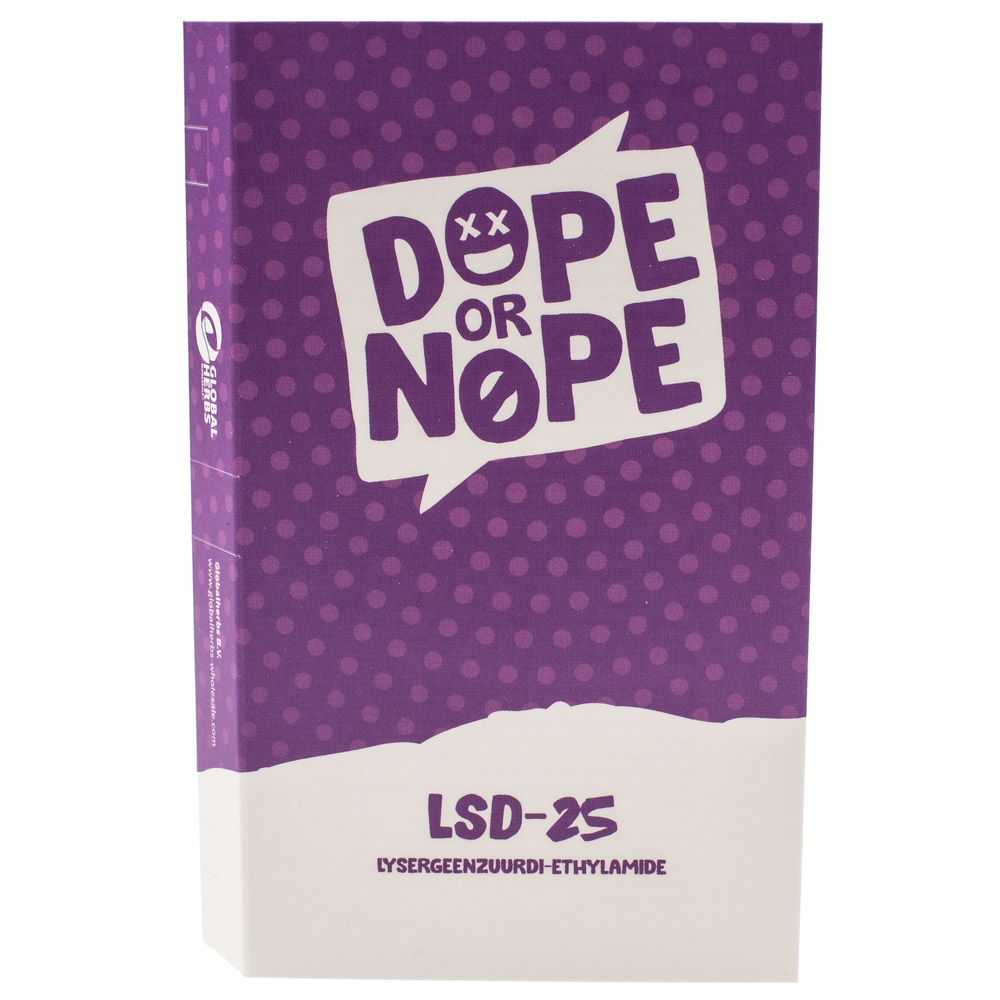
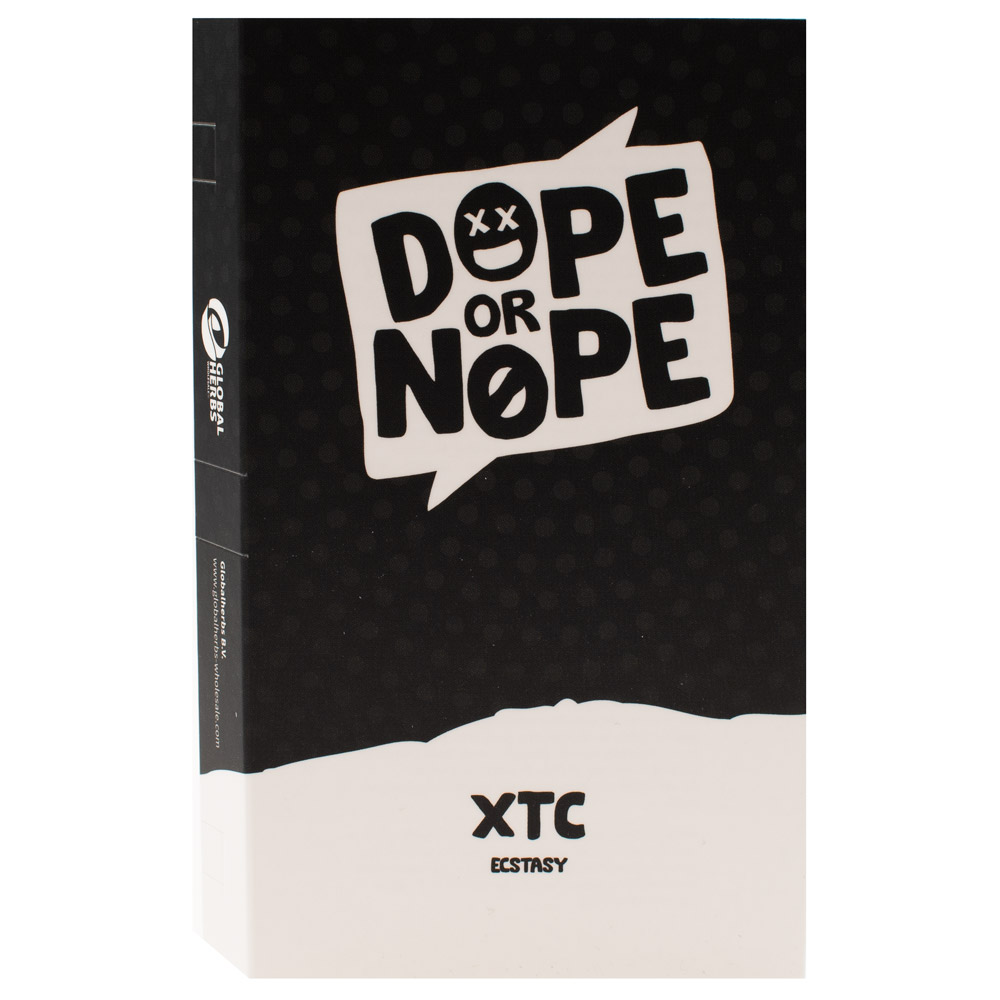
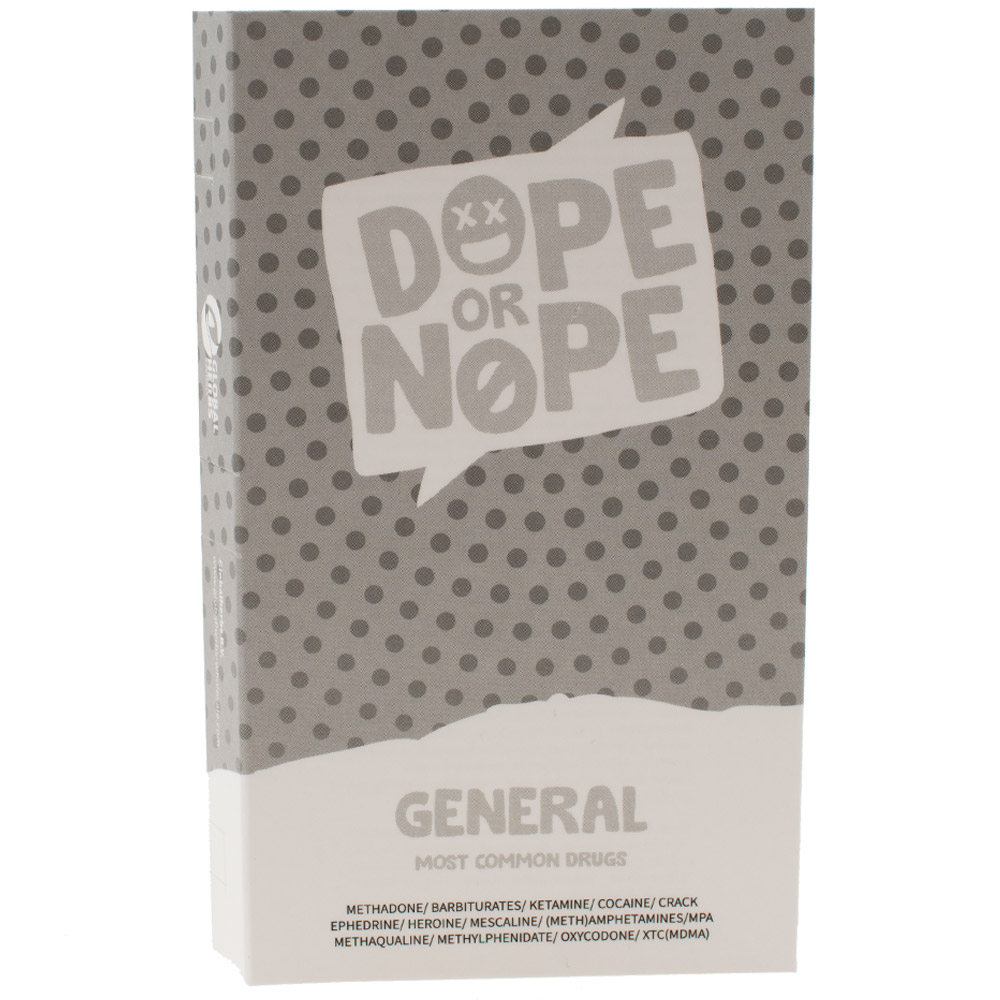
A sitter cannot see what is in a blotter, a pill or a powder. A reagent test, used before anything is taken, shows whether the expected substance is present. It does not show how strong it is. Dutch-Smart describes its Dope or Nope tests as fast tests that identify a drug by colour change and reaction time: you compare the colour with the chart on the back of the pack.
Was this the right page?
Talk to someone
- Emergency112 in the EU, 999 in the UK, 911 in the US
- Fireside Project (US)Psychedelic support line, call or text 62-FIRESIDE, 11 a.m. to 11 p.m. Pacific
- FRANK (UK)0300 123 6600
- Drugs Infolijn (NL)0900-1995, weekdays 9:00 to 17:00