
Before next time, test what you take and choose a milder trip
How a reagent test shows what is in a blotter or pill, what it cannot show, a mild to strong truffle guide for a stay in the Netherlands, and the law.
Two things make the next trip easier to predict: knowing what the substance is, and taking less of a strong one. A reagent test shows whether the substance you expect is present. A milder product, where it is legal, lowers the chance of being overwhelmed. Neither makes drug use safe, and the safest choice is not to use at all. Research on bad trips keeps pointing at the same causes: a dose that is too high, an unknown substance, and a setting that feels wrong (DRUGSinfo).
What a reagent test shows
A reagent test is a small vial with a chemical that changes colour when it meets certain substances. You add a tiny bit of the sample, wait and compare the colour with the chart on the pack. Reagent tests are presumptive: they give a quick indication, and only a laboratory can confirm exactly what a sample is (Wikipedia, reagent testing).
For bad trips, the most important use is the blotter. A blotter sold as LSD can carry a completely different substance, and NBOMe compounds sold as LSD have caused fatal poisonings (Zawilska et al. 2020). Dutch-Smart describes its Dope or Nope tests as fast tests that identify a drug by colour change and reaction time.
| What you see | What it means |
|---|---|
| A colour that is on the chart | The sample probably contains (some of) the substance on the chart |
| No reaction | The substance on the chart is not there; do not use the sample |
| A colour that is not on the chart | You are not dealing with that substance; do not use the sample |
The shop's own product text is clear about the limits: a colour on the chart does not mean the sample is pure or safe, another substance the test does not recognise may also be present, and the test does not show how much of the active substance is there.
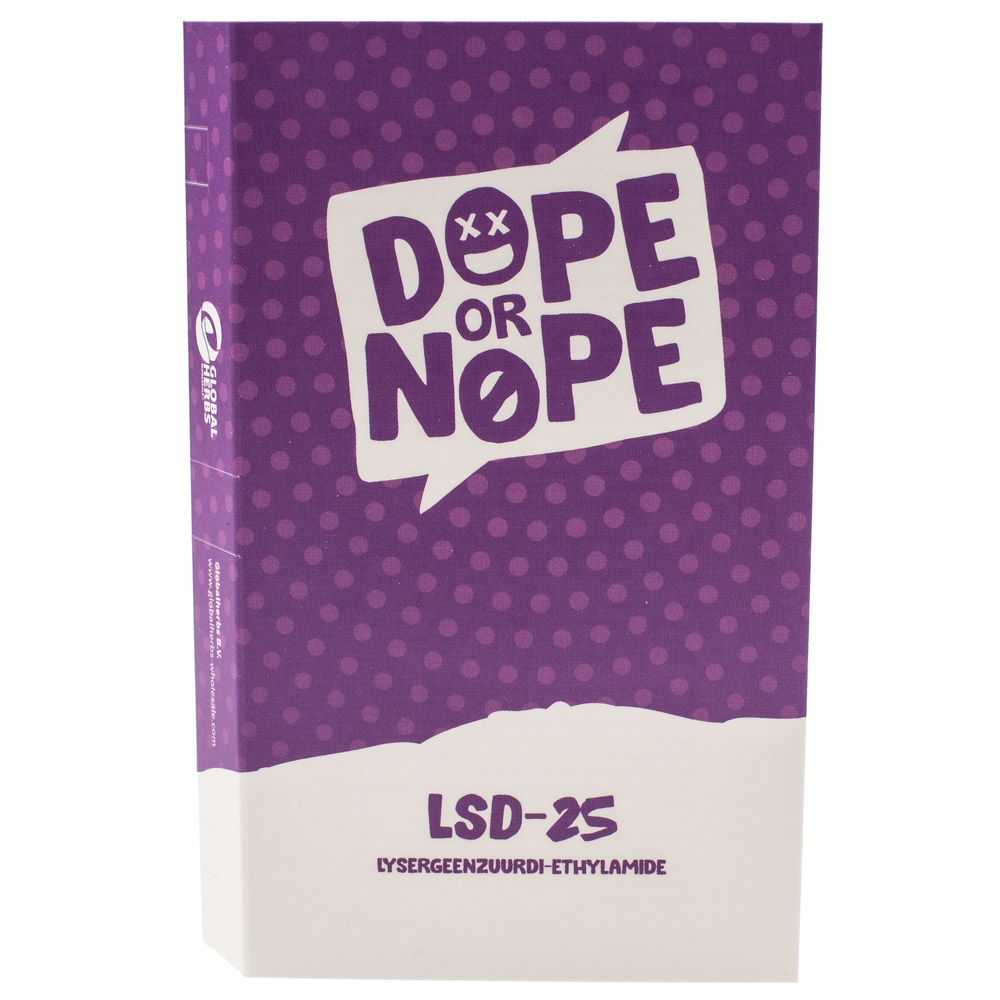 Reagent test
LSD Test - Good or Bad
View at Dutch-Smart
Reagent test
LSD Test - Good or Bad
View at Dutch-Smart
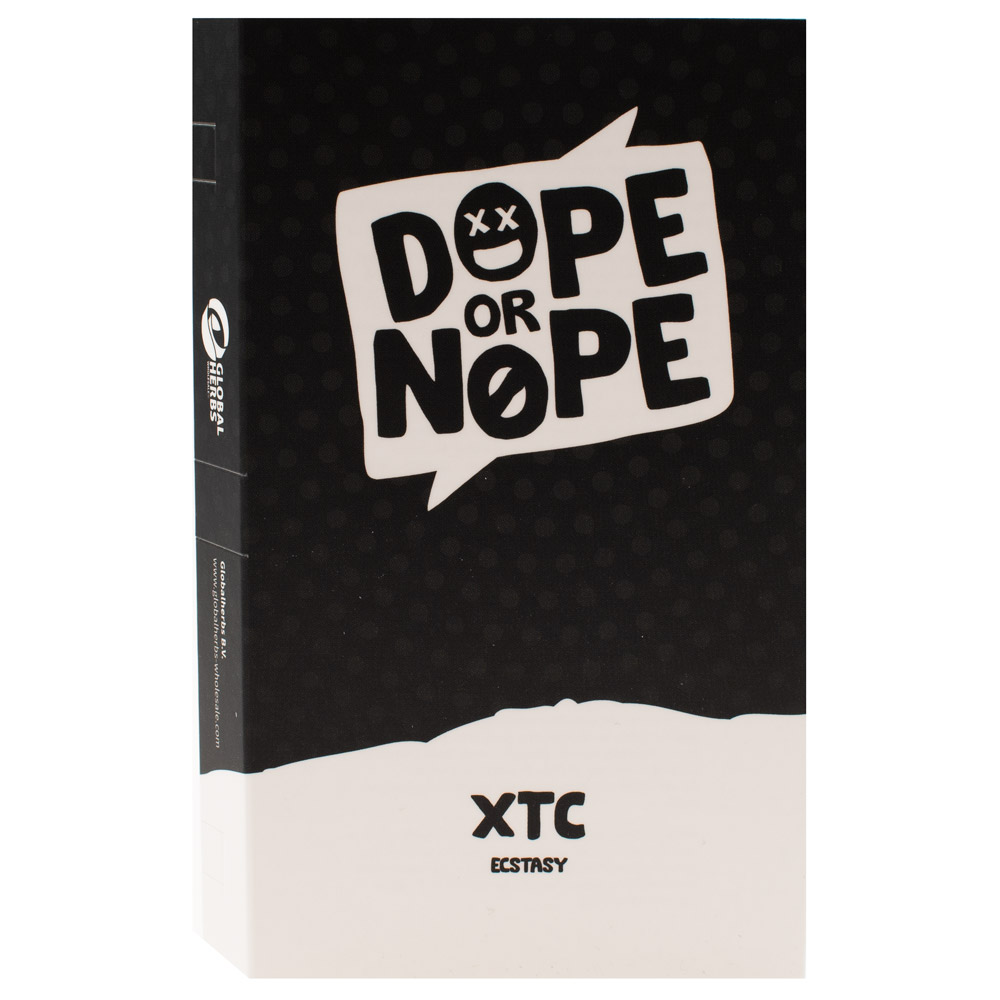 Reagent test
Ecstasy XTC Test - Good or Bad
View at Dutch-Smart
Reagent test
Ecstasy XTC Test - Good or Bad
View at Dutch-Smart
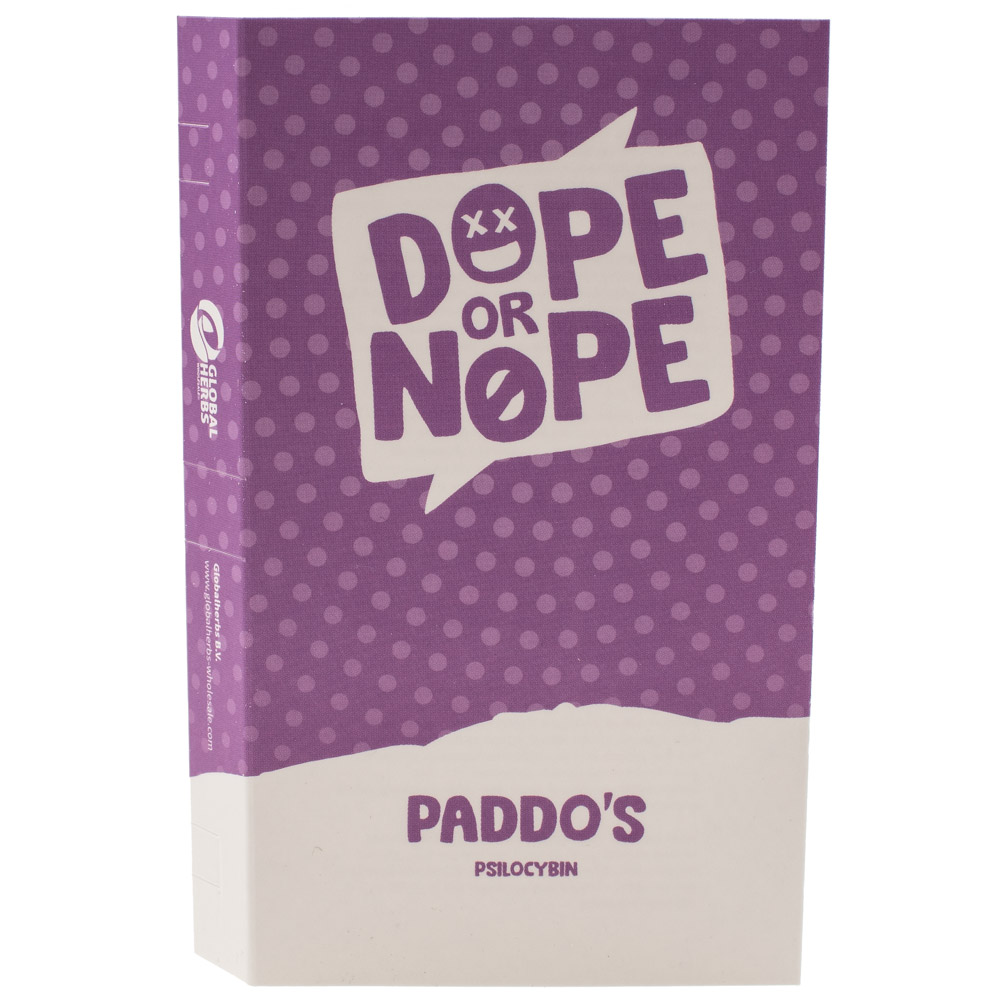 Reagent test
Magic Mushrooms (Psilocybin) Test - Dope or Nope
View at Dutch-Smart
Reagent test
Magic Mushrooms (Psilocybin) Test - Dope or Nope
View at Dutch-Smart
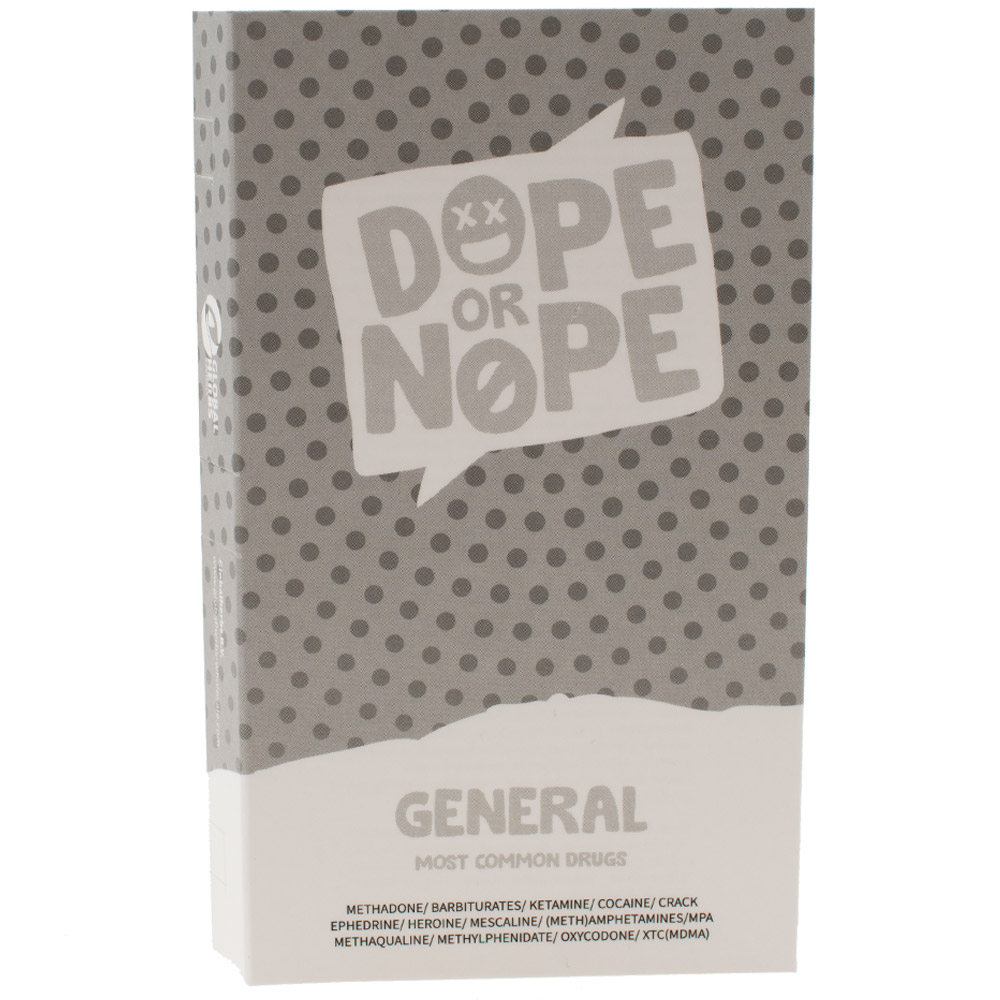 Reagent test
General drug test - Dope or nope
View at Dutch-Smart
Reagent test
General drug test - Dope or nope
View at Dutch-Smart
Which test for what
- LSD Test for blotters, drops and microdots sold as LSD.
- Ecstasy XTC Test for pills and crystals sold as MDMA. A bad trip on a pill is often a pill that was something else.
- Magic Mushrooms (Psilocybin) Test for mushrooms or truffles of unknown origin.
- General drug test when you have no idea what something is.
Use one test per sample. A pill from another batch or a blotter from another sheet is a different sample.
When a laboratory test is better
Drug checking services test samples in a laboratory and can say what is in them and roughly how much. In the Netherlands, the Drugs Information and Monitoring System (DIMS) runs testing locations where people can hand in drugs under set conditions (DIMS). In the UK, WEDINOS in Wales runs an anonymous postal testing service that also takes samples from outside Wales (WEDINOS).
Choosing a milder trip, for a stay in the Netherlands
Of the four countries in the legal table below, the Netherlands is the only one where magic truffles are legal. If you plan a trip during a stay in the Netherlands and your last one was too much, the strength of the product is one of the few things you control. The order below follows Dutch-Smart's own product descriptions; strength per gram has not been measured in a laboratory and varies per batch.
| Step | Truffle | How Dutch-Smart describes it |
|---|---|---|
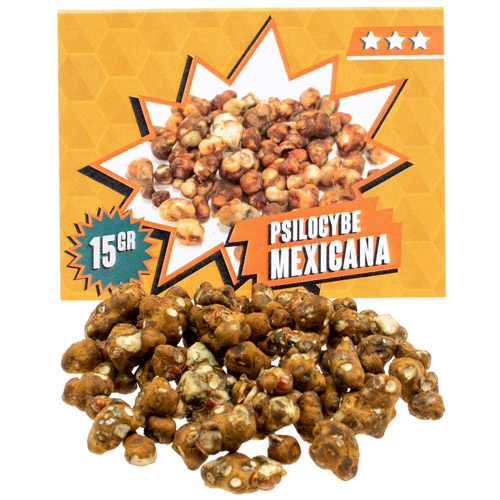
| 1, mildest | Mexicana | The mildest strain in its range, the most accessible choice for people with no prior experience |
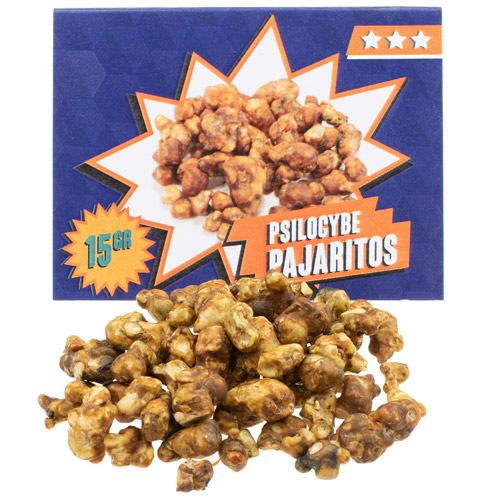
| 2 | Pajaritos | A step stronger than Mexicana, less intense than Atlantis |
| 3 | Tampanensis | Mild to moderate, with a more mental, introspective character |
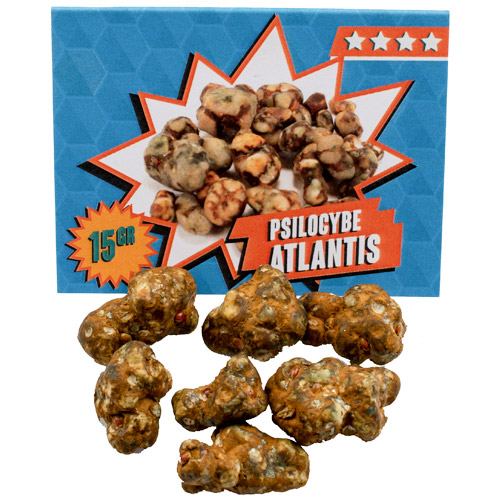
| 4, middle | Atlantis | Stronger than Mexicana and Pajaritos, best not used as an absolute first introduction |
| 5, strong | Hollandia | Highest potency class; at a full dose it can be overwhelming for inexperienced users |
After a bad trip, the bottom of this table is where to look. Take less than you think you need, never top up because nothing seems to happen yet, and keep the rest of this site in mind: a sober sitter, a quiet place, nothing else on top. Truffles stay in the Netherlands: do not take them across a border.
 Netherlands only
(1+1) Mexicana Magic Truffles
View at Dutch-Smart
Netherlands only
(1+1) Mexicana Magic Truffles
View at Dutch-Smart
 Netherlands only
Pajaritos Magic Truffles
View at Dutch-Smart
Netherlands only
Pajaritos Magic Truffles
View at Dutch-Smart
 Netherlands only
Atlantis Magic Truffles
View at Dutch-Smart
Netherlands only
Atlantis Magic Truffles
View at Dutch-Smart
Is it legal? The law per country
Checked on 13 October 2026. Laws change; check the current rules where you are.
| Country | LSD | Psilocybin mushrooms | Magic truffles |
|---|---|---|---|
| Netherlands | List I, Opium Act | List II since 1 December 2008 | Not covered by the Opium Act |
| United Kingdom | Class A | Class A, fresh or prepared | Class A, as a fungus containing psilocin |
| Germany | Annex I, BtMG | Contain psilocybin, Annex I | Contain psilocybin, Annex I |
| United States (federal) | Schedule I | Contain psilocybin, Schedule I | Contain psilocybin, Schedule I |
Netherlands. Lysergide, psilocine and psilocybine are on List I of the Opium Act, and mushrooms that naturally contain psilocine or psilocybine are on List II (Opiumwet). Truffles are not mushrooms. In a tax case decided on 10 April 2026, the Dutch Supreme Court took as its starting point that magic truffles do not fall under the Opium Act and can be grown and traded freely (Hoge Raad, ECLI:NL:HR:2026:450). Driving any vehicle, a bicycle included, under the influence is forbidden (Wegenverkeerswet 1994, art. 8).
United Kingdom. LSD and magic mushrooms are Class A drugs. The Drugs Act 2005 made clear that fresh and prepared mushrooms containing psilocin or psilocybin are Class A; possession can mean up to 7 years in prison (FRANK, magic mushrooms). The same Act added "fungus (of any kind) which contains psilocin" to Class A, which also covers truffles (Drugs Act 2005, s. 21).
Germany. LSD (lysergide), psilocin and psilocybin are listed in Annex I of the Narcotics Act, the category of substances that may not be traded (BtMG Anlage I).
United States. Lysergic acid diethylamide and psilocybin are Schedule I substances under federal law (21 CFR 1308.11). Some states and cities have their own rules; we have not checked those for this page.
Was this the right page?
Talk to someone
- Emergency112 in the EU, 999 in the UK, 911 in the US
- Fireside Project (US)Psychedelic support line, call or text 62-FIRESIDE, 11 a.m. to 11 p.m. Pacific
- FRANK (UK)0300 123 6600
- Drugs Infolijn (NL)0900-1995, weekdays 9:00 to 17:00